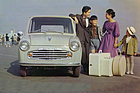
Cony 360 Coach and Light Van - Japan's forgotten road fleas


You have only
1 out of 8
images seen in high resolution


Summary
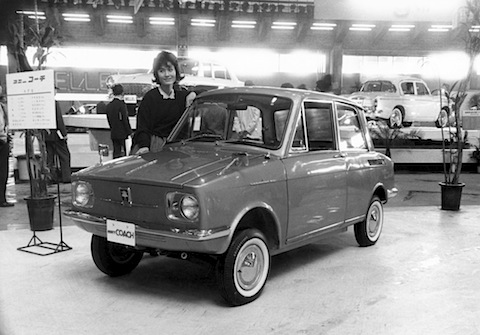
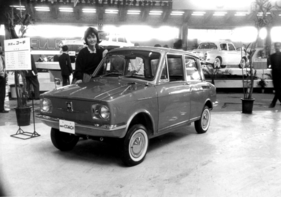
The Japanese microcars of the sixties from Subaru, Mazda and Co. are probably familiar to some car connoisseurs. However, hardly anyone in our part of the world has heard of the Cony brand. The Cony brand vehicles were built as saloons and vans. This report shows the various versions of the Japanese street flea in historical pictures and in the sales literature of the time and explains the modest technology that went into these small cars.
This article contains the following chapters
- Drive for the small car
- Various bodies
- Kei-, Kogata-, Futsu-Jidosha
- Extremely rare
Estimated reading time: 3min
Preview (beginning of the article)
Mass motorization began not only in Europe, but also in Japan in the 1950s and 1960s. After the Second World War, an extensive new road network quickly emerged, especially in Japanese cities, which the busy workers naturally also wanted to use for commuting to work or shopping. Very few of them were wealthy, so inexpensive, compact and nimble little cars came in handy. One of these vehicles was called the Sony Coach 360. The small two-door car was powered by an air-cooled two-cylinder four-stroke boxer engine with a displacement of 354 cubic centimetres. The factory specified an output of 18.6 hp, which could be called up at 5500 rpm. This gave the engine an output of 52.5 hp per liter, whereas in Europe at that time, 40 hp per liter was usually the highest level of performance.
Continue reading this article for free?
Images of this article