
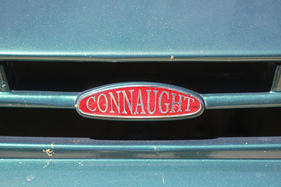
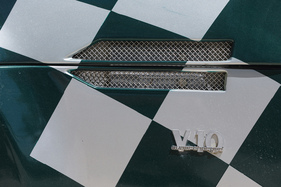
Connaught Type-D GT - ahead of its time as a ten-cylinder hybrid














































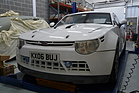
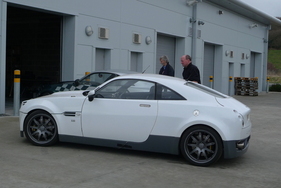


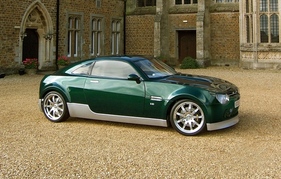


You have only
1 out of 66
images seen in high resolution


Summary
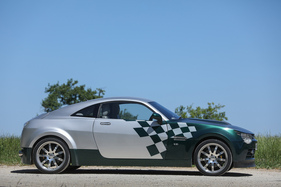
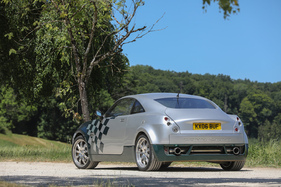
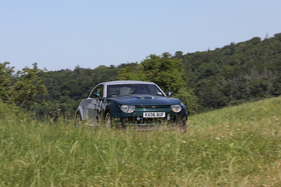
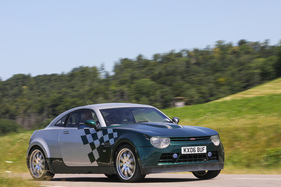
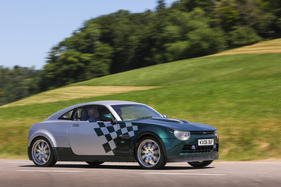
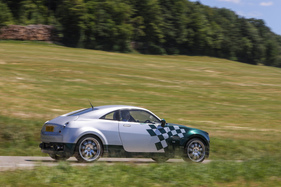
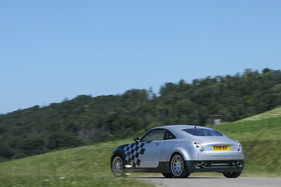
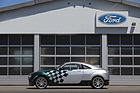
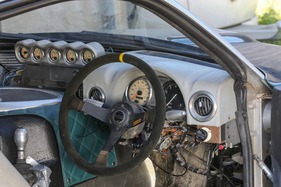
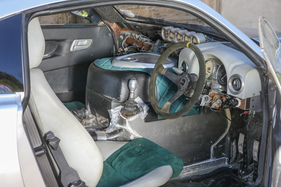
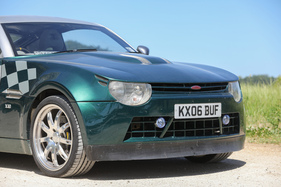
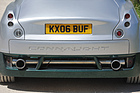
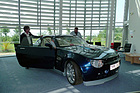
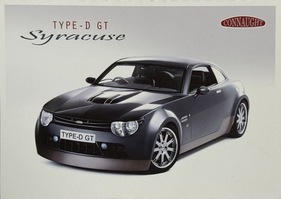
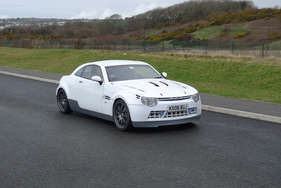
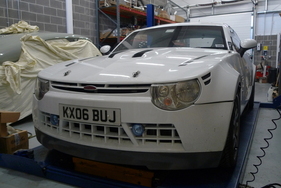
Around a decade and a half ago, a sports coupé was created in the UK that was clearly ahead of its time. With a very compact V10 engine and a lightweight hybrid drive, the Connaught Type-D GT was designed to be economical, comfortable and versatile. And affordable too. The ambitious project failed. This article goes in search of clues and provides driving impressions in one of the prototypes.
This article contains the following chapters
- Connaught as inspiration
- Big presentation at the Goodwood Festival of Speed
- Functional and economical
- The ten-cylinder
- Lightweight coupé
- Four cars created
- Deviations from the original concept
- Factory in Wales and the end
- What could have been
- At the wheel of the prototype
Estimated reading time: 8min
Preview (beginning of the article)
Tim Bishop is an engineer with real grit. Questioning and improving technical solutions is in his blood. His career has brought him into contact with many car brands, including Tatra and Jaguar. It is no coincidence that he describes the Heinkel Kabinenroller as one of the most convincing cars ever built. If you ask Tim, cars have to be functional, economical and lightweight. It was therefore certainly no coincidence that Tim and a group of like-minded people were not very enthusiastic about the development in modern automobile construction, which led to ever larger and heavier vehicles. And Tim was convinced that a small team with the tools of the "big boys" should be able to build a pioneering sports car.
Continue reading this article for free?
Images of this article

Brand Pages
More about this topic






_RM.jpg)