Chevrolet Astro II - Ahead of its time and almost forgotten


You have only
1 out of 23
images seen in high resolution


Summary
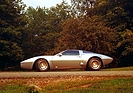
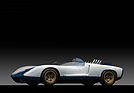
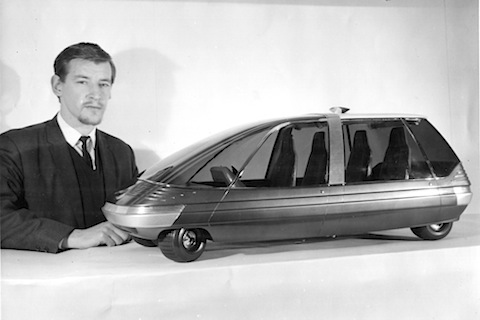
When Ford hinted that it wanted to bring a mid-engined Corvette competitor onto the market, Chevrolet had to react. The XP-880 was then created in the research department under Frank Winchell, and in 1968, as the Chevrolet Astro II, it was to show the future of the Corvette. But only a short time later, the need for a mid-engined Chevrolet disappeared along with the competition.
This article contains the following chapters
- Competitive pressure from Ford
- Frame and engine
- Suspension and brakes
- Testing and presentation
- Change of leadership
Estimated reading time: 12min
Preview (beginning of the article)
Zora Arkus-Duntov's only rival for the role of “Mr. Corvette” at General Motors was Styling Staff's William L. Mitchell. Fortunately each man had his own distinct area of responsibility and competence. When and where they overlapped, which was often, Bill and Zora usually managed to reach a compromise if not full agreement. In the 1960s, however, Zora's hegemony was threatened within the walls of Chevrolet Engineering at Warren. The threat arose more by chance than by design. Early in 1960 Bob Schilling, meticulous theoretician whose Corvair contributions were seminal, was replaced as the head of Chevrolet's Research and Development Department by Frank J. Winchell.
Continue reading this article for free?
Images of this article