Sprinter in a road suit - Alfa Romeo Giulia 1600 TI (historical test)


You have only
1 out of 26
images seen in high resolution


Summary
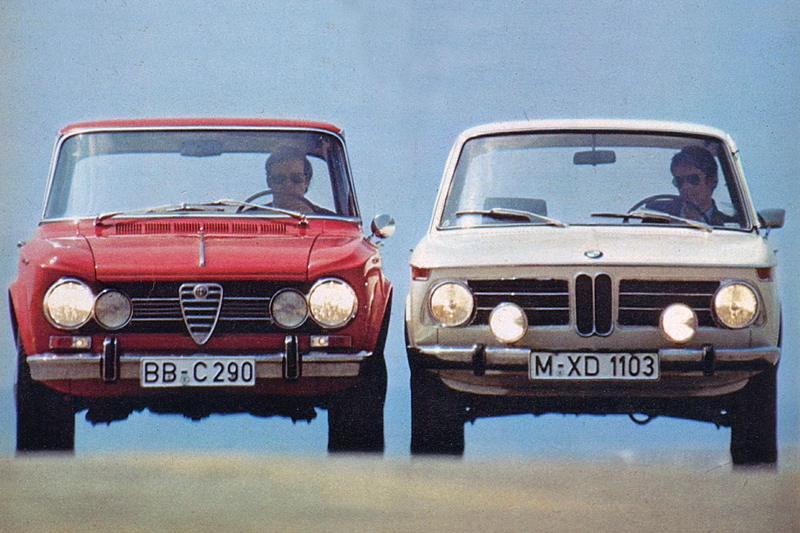
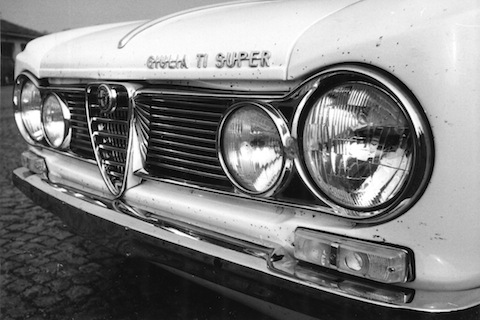
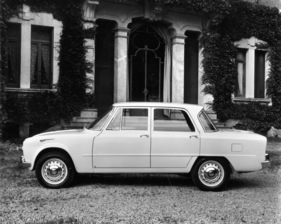
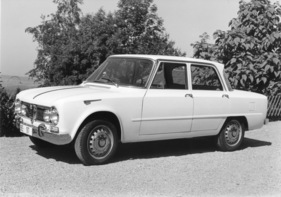
The new star from Italy was a lowlifter, a real 'rocket' in the simple guise of the normal consumer, Hanno Parsifal began his early test of the Alfa Romeo Giulia 1600 TI in 1962, published in the magazine 'hobby'. Although he did not consider it to be beautiful, Parsifal found a lot to like about the fast saloon, which ultimately outperformed even well-known sports cars. The few weaknesses that were mentioned were then consistently corrected by Alfa in the following years. This article reproduces the test report from that time in words, carefully restored and edited. And shows the sporty saloon on archive material, some of which has never been shown before.
This article contains the following chapters
- Great hope
- Happy ending or tragedy?
- Being more than appearing
- Woe betide you if they let go...
- Sports car in disguise
- Without disc brakes
- Too fashionable?
- With steering wheel gearshift and bench seat
- Good sales prospects
- Test results and technical data
Estimated reading time: 7min
Preview (beginning of the article)
The new star from Italy is a low-rider, a real 'rocket' in the simple guise of a normal consumer. And it's called the Alfa Romeo Giulia TI 1600. The language of Dante makes it possible to transform ugly-sounding abbreviations into melodious names. Just as FIAT - Latin for 'let it be done' - was created from the initial letters of 'Fabbrica Italiana Automobili Torino' as a brand name, ALFA has been abbreviated from the name 'Anonima Lombarda Fabbrica Automobili' since 1909, and Alfa is the alpha and omega in Italian. Even the second part of the company's name, Romeo, is not a pure imitation of the Veronese tragedian of 'amore', but the name of the engineer Nicola Romeo, who bought the car factory in Lombardy in 1911. More precisely: in Portello, a suburb of Milan.
Continue reading this article for free?
Images of this article