Rising workshop costs are a burden for classic car owners. Specialist garages are currently charging hourly rates of 250 euros and more; the price trend for spare parts has risen sharply in recent months. According to a recent analysis by the German Insurance Association (GDV), car spare parts prices rose by an average of six percent between August 2024 and August 2025 - and by as much as eight percent for visible parts such as bumpers or windows. Where does this increase come from? How can owners of classic cars take countermeasures? And what impact does this have on insurance premiums for classic cars and youngtimers?
Hourly rate: 250 euros
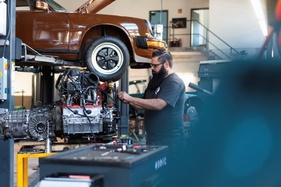
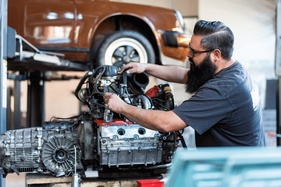
Workshop prices have risen by more than 80 percent since 2015 - while general inflation is only around 30 percent. The causes lie deeper than expected: energy, wages, a lack of young talent and monopolies on spare parts are hitting the industry with full force in some cases. "Prices have exploded because energy costs have risen massively in recent years. Wages have also risen sharply, mainly due to increasing specialization," explains Benjamin David, Managing Director of David Finest Sports Cars in Hamburg. "A few years ago, our hourly rate was still around 120 euros gross, today it's at least 250 euros - and rising," says Benjamin David, who also runs a special workshop at the dealership that specializes in Porsche models.
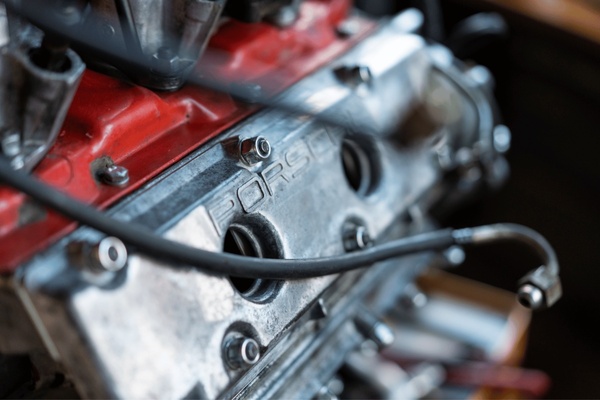
Of these 250 euros, only around 25 to 40 euros remain with the mechanic himself. The rest goes towards energy, rent, insurance, equipment and machines. "The profession of mechatronics engineer has changed a lot. Today, they are specialists who need regular training - that makes the job more demanding, but also more expensive," emphasizes David.
Skills shortage and supply problems: a dangerous mix
The classic car scene is feeling the consequences of this development particularly keenly. Spare parts for some models are often hard to come by in many places. Some workshops therefore decided years ago to make themselves less dependent on the classics departments of the major manufacturers. The advantage for customers: Almost everything is available again. "There are now 80 percent reproducible parts for the Citroën DS. We started producing the first door parts for our customers in 2008/2009," says Citroën specialist Falk Lehmann from Heidelberg. A problem here is not so much the supply of spare parts, but rather finding a suitable specialist workshop in the first place. Many workshop owners retire without having found a suitable, qualified successor. "Customers have to rethink the fact that the specialist is not just around the corner and may have to travel longer distances to have their classic car repaired," says Falk Lehmann.
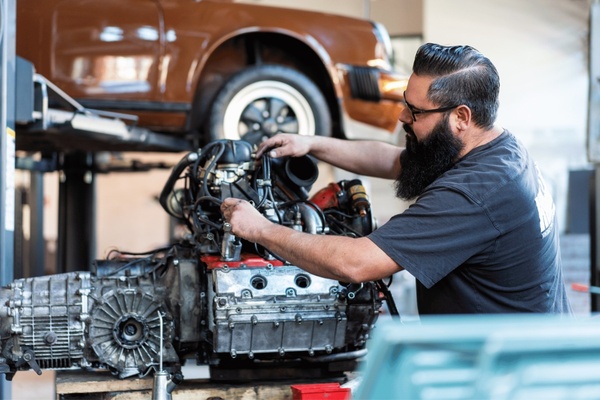
Skills shortages are also an issue in the north of the country. "We have fewer and fewer new recruits. This means that customers sometimes have to wait months for a workshop appointment," continues Benjamin David. Thomas Aukamm, Managing Director of the Central Association of Bodywork and Vehicle Technology (ZKF), also confirms: "The demands on skilled workers have increased and qualified personnel are in short supply."
Claims settlement and insurance premiums
Another problem, according to the ZKF, is the car manufacturers' so-called design protection rights, some of which run until 2045. It prevents third-party suppliers from being able to reproduce spare parts more cheaply. "The GDV rightly criticizes the car manufacturers' quasi-monopoly on spare parts, which drives up prices," says Aukamm. For example, a simple bumper repair now costs a good 20 percent more than last year. This has an impact on claims settlement and therefore also on insurance premiums. According to the GDV, the average vehicle property damage claim is now 4250 euros - around seven percent more than in 2023.
"The cost of car spare parts is rising rapidly and is largely independent of the general price trend," warns GDV Managing Director Jörg Asmussen.
Till Waitzinger, member of the OCC management board: "Even if classic car insurers like OCC calculate independently of market prices, rising workshop costs cannot be completely decoupled. To ensure that the insurance cover remains sufficient to settle the higher claims in the future, the premiums have to be adjusted in some cases using the so-called premium adjustment clause. Nevertheless, OCC's insurance premiums remain favorable compared to the market environment and score points with tailor-made coverage for automotive treasures."
How classic car owners can take countermeasures
And how can classic car fans cushion the impact of higher costs? Benjamin David advises owners of classic vehicles to ask specifically about maintenance packages. "Many workshops offer flat rates that can save costs in the long term. A lot of margin often depends on the spare parts - it's worth asking." The location is also crucial: "Prices are often significantly higher in metropolitan areas such as Munich or Stuttgart than in the countryside." In the long term, new technologies such as 3D printing could also help to make spare parts more affordable again - provided there is political support. The ZKF is calling for relief for small workshops, for example through lower energy costs or simplified approval procedures.
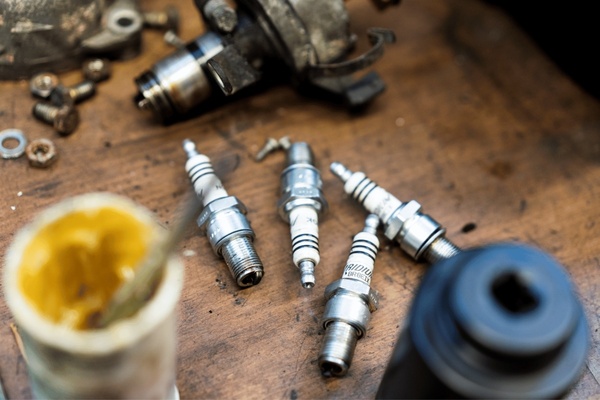
The rising workshop costs are a wake-up call for the entire classic car scene. Without targeted countermeasures - from the promotion of young skilled workers to political support - the maintenance of historic vehicles threatens to become a luxury good. Because a passion for classic cars deserves protection - not worries.
OCC Assekuradeur GmbH - the specialist for classic cars
Since it was founded in 1984, OCC Assekuradeur GmbH from Lübeck has been the leading specialist for insurance for classic cars, modern classics and high-quality sports cars in Germany. Over 160,000 customers rely on the company's expertise and award-winning digital insurance solutions. In 2023, Campingfreunde Assekuradeur GmbH was added as a subsidiary specializing in mobile travel. Together, the two offer tailor-made protection for collector's vehicles of all kinds. OCC employs over 120 people in Lübeck and Vienna and has been part of Provinzial Holding AG since 2021. Further information online.