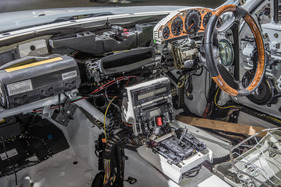


Many modern classics produced since the mid-1980s face an uncertain future if the industry fails to preserve the technology of these vehicles - the so-called "digital generation".
Before it's too late
The FIVA (International Federation of Vintage Automobile Associations) is keen to raise public awareness of this very real threat before it is too late. Isolated initiatives are already making some progress. However, a sustainable solution will probably only succeed with the support of the industry and concerted action by classic car enthusiasts, clubs and organizations such as the FIVA.

Stephan Joest, expert in electronic components and President of Amicale Citroën Internationale, the worldwide network of over 1,000 Citroën clubs, shares this opinion. "We currently have a unique opportunity to preserve existing stocks of electronic components and their digital source code," he explains. "If not, we run the risk of no longer being able to replace the control units that typically control everything in classic cars from the mid-1980s onwards - from engine management to air conditioning and safety equipment.

Dead on arrival
Digital ageing, i.e. the physical ageing of electronic components, takes place independently of the use of the component. According to alarming statistics, around 50% of control units over 40 years old are already defective on receipt ("dead on arrival"), i.e. they no longer work when they are installed immediately after unpacking. The older the electronic component, the more difficult it is to find a perfect replacement," says Joest, emphasizing that this is not a brand-specific problem, but affects the entire industry.

Bosch has recognized the threat to more recent historic vehicles and is working on a solution. "The challenge of keeping classic vehicles running is greater than ever for future generations," confirms Dipl.-Ing. Fritz Cirener, Head of BOSCH Automotive Tradition. "We are working on this topic together with the manufacturers. We still have a long way to go. But if we want to preserve the technology for younger and future generations of users, it's worth the effort."
A growing challenge
As Stephan Joest emphasizes, the challenge will become even greater. "Today's premium vehicles have around 60-100 separate electronic control units that control every aspect of the vehicle - and the software is becoming more complex every year. In addition to the acute need to ensure the longevity of vehicles from the 1980s to the turn of the millennium, we must also ensure that our current vehicles still have a future in 30 years' time. We are currently not sufficiently prepared for this.
"We must act now to preserve the technical heritage of the 'digital vehicle generation' and ensure that the classic cars of the future do not simply have to live out their existence as static exhibits, but can remain living cultural assets," summarizes Joest.
FIVA will propose this important topic as an agenda item for the FIVA Cultural Heritage Forum 2016 at the beginning of September. The heads of the heritage departments of the leading car manufacturers will meet at this forum in Chantilly to discuss the common challenges and opportunities.