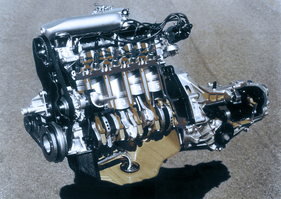
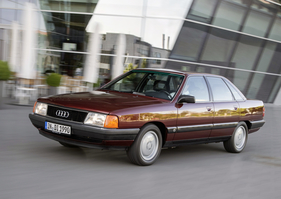
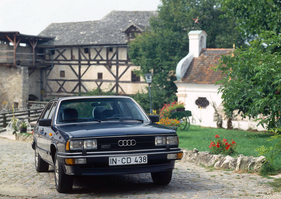
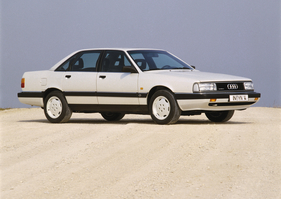
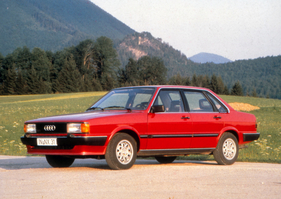
Audi's five-cylinder engines have achieved cult status - thanks to their successful use in motorsport on the one hand, and their reliability and economy on the other. With their characteristic sound, they continue to provide an emotional driving experience to this day.
40 years of the five-cylinder petrol engine at Audi
40 years ago, Audi presented the first five-cylinder petrol engine in the second-generation Audi 100. This was followed by expansion stages and new developments with turbocharging, exhaust gas purification and four-valve technology, rally engines and five-cylinder diesels.
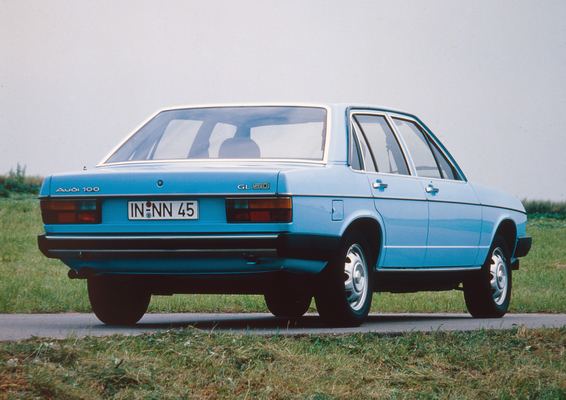
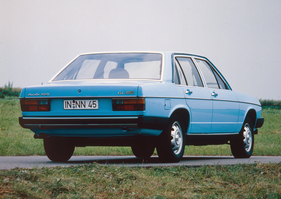
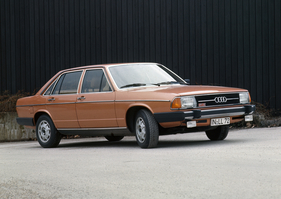
The first five-cylinder petrol engine provided propulsion in the Audi 100 (C2) in 1976. The model, known internally as the Type 43, was to be positioned higher on the market than its predecessor. The four-cylinder engines of the time were not sufficient for this project. Audi engineers therefore discussed the use of five-cylinder and six-cylinder in-line engines in the early 1970s. The latter were ruled out due to the installation space and the unfavorable weight distribution. So those responsible opted for the five-cylinder in-line engine, which was based on the EA 827 engine concept, still in its infancy at the time. This four-cylinder in-line engine was used throughout the VW Group in the 1970s, for example in the Audi 80 and Audi 100. The 2.1-liter five-cylinder engine derived from it produced 100 kW (136 hp). A modern injection system increased efficiency and power delivery. Deliveries of the Audi 100 5E followed in March 1977.
Audi presented the first diesel version as early as 1978: a naturally aspirated diesel with a displacement of two liters and 51 kW (70 hp). One year later, the first five-cylinder turbocharged petrol engine made its debut - another pioneering achievement by Audi. With 125 kW (170 hp) and 265 Newton meters of torque, it powered the new top model, the Audi 200 5T.
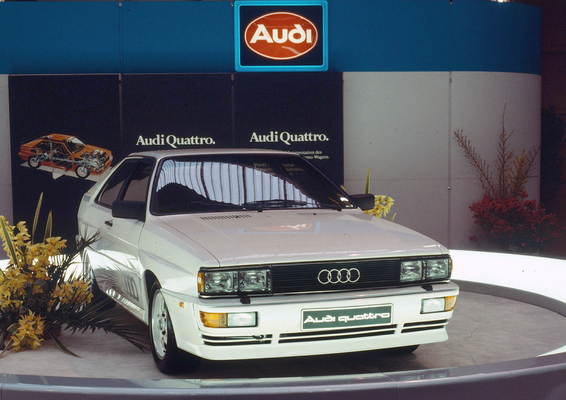
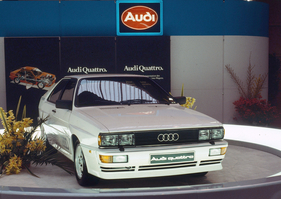
The five-cylinder petrol engine in the Audi Urquattro from 1980 reached even greater heights. With turbocharging, intercooling and permanent all-wheel drive, it formed a powerful technology package for racing and the road. At the start of sales, it produced 147 kW (200 hp). The Finn Hannu Mikkola won the drivers' title in the 1983 World Rally Championship with this car. In the same year, Audi presented the 24 centimeter shorter and wider Sport quattro. Propulsion was provided by a newly developed four-valve five-cylinder engine made of light alloy with 225 kW (306 hp). This made the Sport quattro the most powerful car ever offered by a German company for public roads. The model formed the basis for a new Group B rally car, in which the four-valve engine delivered 450 hp (331 kW) right from the start. It was used for the first time in the penultimate race of 1984, the Ivory Coast Rally. The Swede Stig Blomqvist contested the remaining eleven races of the season with the 265 kW (360 hp) Audi quattro A2, Group B. In the end, he won the drivers' title and Audi the manufacturers' world championship.
Even after Audi's departure from the rally scene in 1986, further highlights followed on the race track: Walter Röhrl won the hill climb at Pikes Peak (USA) with the Audi Sport quattro S1 (E2) in 1987. The racing car produced 440 kW (598 hp).
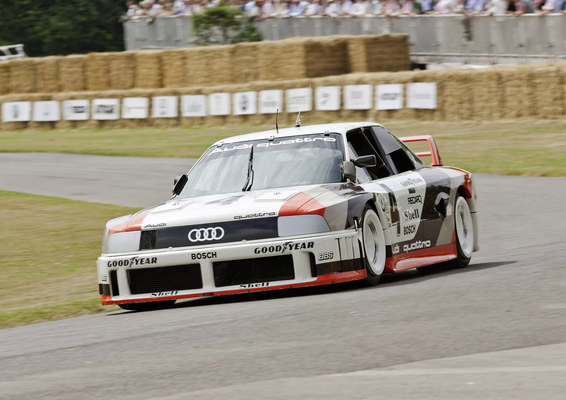
And the IMSA GTO shone in the US touring car scene in 1989 with 530 kW (720 hp) - still from just over two liters of displacement.
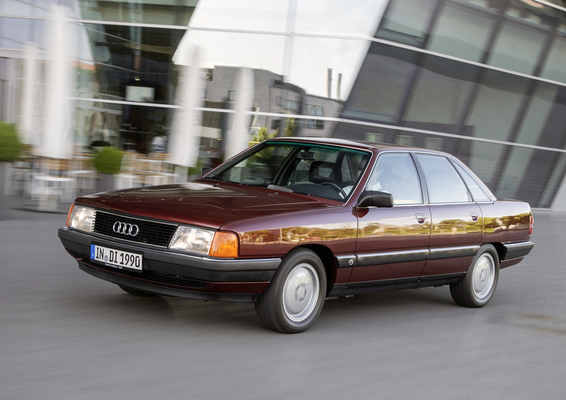
Audi presented another milestone in automotive history at the International Motor Show in Frankfurt am Main in 1989: the Audi 100 TDI. It was the first series-produced passenger car with a direct-injection five-cylinder turbodiesel and fully electronic engine control. The engine produced 88 kW (120 hp) from a displacement of 2.5 liters. Audi continued to diversify its range of five-cylinder petrol engines. In 1994, the Audi RS 2 with 232 kW (315 hp) was launched on the market. As an Avant with sports car power, it became the founder of a new automotive class.
The introduction of the Audi A4 (B5) in 1994 marked the end of the five-cylinder engines in the B segment. The new V6 engines gradually replaced them in the mid-1990s. The last five-cylinder engines, the 2.5 TDI in the Audi A6 and the 2.3 Turbo in the Audi S6, were phased out in 1997.
Anyone wishing to view the first Audi with a five-cylinder engine currently has the opportunity to do so at the Audi Forum Neckarsulm. The traditional exhibition "From zero to 100" shows numerous exhibits with which Audi reviews the history of its successful model. A specimen of the first five-cylinder TDI from the 1989 Audi 100 is also on display. The exhibition is open until November 6, 2016.