From the twenties to the fifties - 30 years of automotive progress


You have only
1 out of 27
images seen in high resolution


Summary
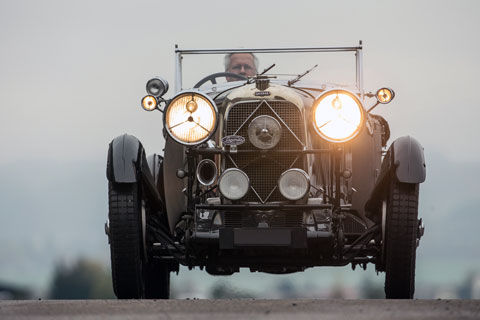
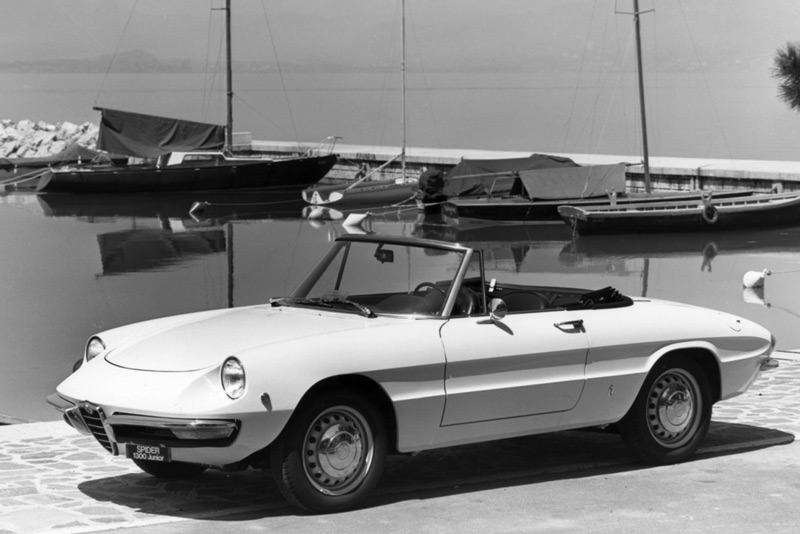
Many Zwischengas readers regard the 1950s as the decade in which the automobile made the greatest progress. The magazine "Krafthand" celebrated its thirtieth anniversary at the end of the fifties and took this as an opportunity to look back three decades and critically examine the innovations in the automotive industry. This report reproduces the wording used at the time and illustrates the examples with a large number of photographs from the period to show the changes that have taken place in 30 years of automobile construction and maintenance.
This article contains the following chapters
- Optimization of the engines
- Late improvement in transmission and drive
- Major advances in the chassis
- More operational safety and uniformity in the brakes
- Lower air resistance and self-supporting bodies
Estimated reading time: 16min
Preview (beginning of the article)
Around 500 BC, Heraclitus coined his famous "Panta rhei" (everything flows). Two and a half millennia later, Max Planck recognized that every process in nature takes place in leaps and bounds. Progress in technology, too, does not take place steadily, but in leaps that grow progressively with advancing knowledge, but it is hardly possible for the technical historiographer, even in the short period of 30 years, to distinguish precisely in the case of a product such as the motor vehicle, which was created under the influence of a passionately interested public, which improvements are the result of a technical development following logical laws, and which other changes are due to the emotional influences of the constantly demanding, pressing and fashionable whispers of the buyer. It is therefore inevitable that when looking at the development of motor vehicles over the last 30 years, a question mark must be raised here and there as to whether real technical progress has actually been achieved.
Continue reading this article for free?
Images of this article