Technology in race cars (23): Howmet TX prototype 1968 - Gas plant


You have only
2 out of 29
images seen in high resolution


Summary
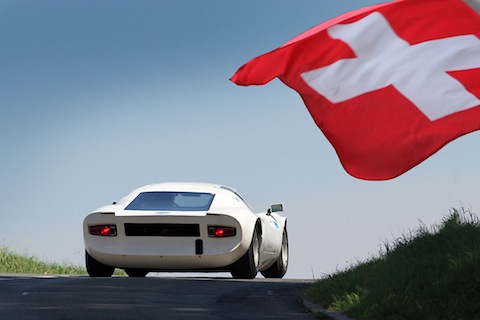
While the gas turbine had relatively quickly become obsolete as a drive system for passenger cars, it was still being experimented with in racing at the end of the 1960s. Although the Howmet TX was not the first of its kind, it was the first and still the only turbine car to win an officially regulated race against reciprocating piston cars. This article from the series "Technology in racing cars from 1958 to 1978" presents the most successful of all gas turbine racing cars and shows it in historic racing use.
This article contains the following chapters
- Me and Bobby McKee
- Three-liter turbine without gearbox
- Slow response
- Foot brake instead of engine brake
Estimated reading time: 5min
Preview (beginning of the article)
The years 1958-1978 were the two most creative decades in the history of racing technology. This series portrays the most innovative, pioneering and exotic designs of Formula 1, Indy cars, sports cars and Can-Am, and at the same time traces the major lines of development that still have an impact today. The series started with Lotus, one of the most important innovation drivers of these two decades. And the series will also finish with Lotus. This time, everything revolves around another failed racing prototype with a gas turbine. After the Second World War, people began to look to the future again and did not shy away from futuristic projects. The gas turbine became a permanent innovation in automobile and racing car construction, so to speak. Rover presented the T1 prototype in 1950, General Motors the Firebird XP-21 in 1953 and Fiat the Turbina in 1954. In 1956, Renault set a world record of 308 km/h on the Bonneville salt lake with the "Etoile filante".
Continue reading this article for free?
Images of this article