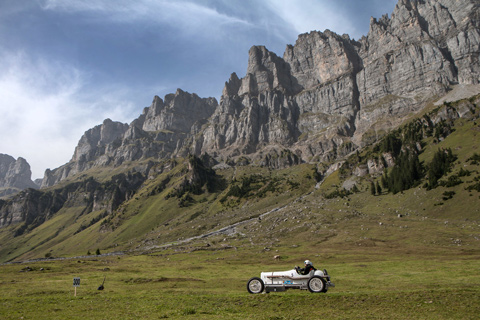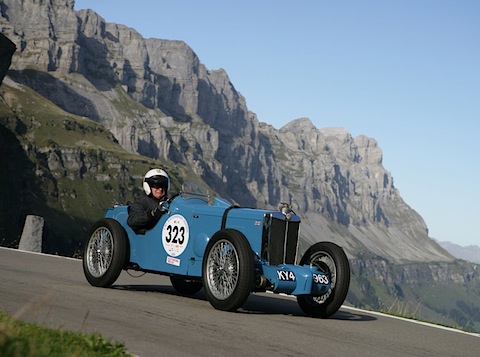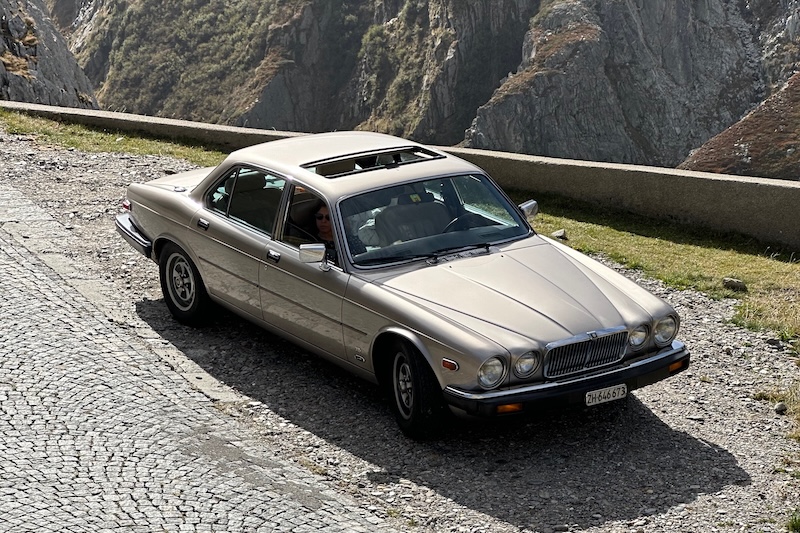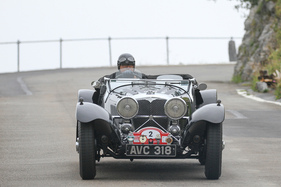

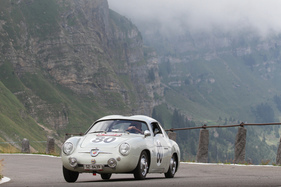

It was on 27 August 1922 that a Klausen race was organized for the first time. Initially, the pace was relatively leisurely, but by 1923 the major car manufacturers had already discovered this extremely demanding mountain stage. With a route length of 20.5 kilometers and almost 120 bends, the pass road from Linthal to the top of the pass at 1288 meters above sea level was often referred to as the Nürburgring of the Alps.
Great racing drivers and legendary car brands were honored on the Klausen Pass, where a total of ten hill climbs were held until 1934 and the record time was steadily improved to 15 minutes and 22 seconds (Caracciola on Mercedes-Benz). After this last event, it became clear that the road conditions were no longer suitable for racing. It was not until many decades later that races were again organized on the Klausen, but now for classic cars, i.e. actually those that had already competed in the 1920s and 1930s. The last Klausen race took place in 2013, then there was a break.
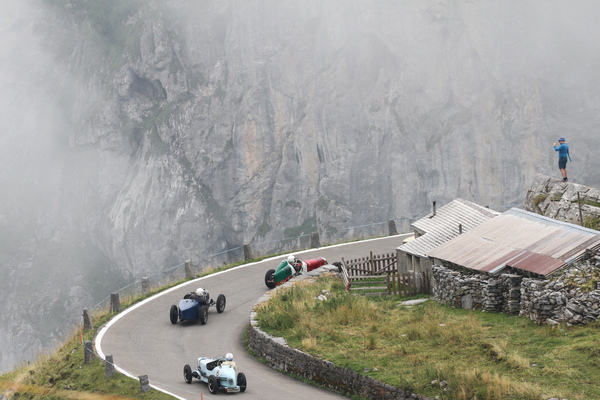
A proper race should have been held again in 2022 to look back on the 100-year history, but it was not to be.
However, the famous events on the Klausen Pass were not to be completely forgotten, so Diavolo Motor Classic organized a one-day event with show rides on a closed track.
Gloomy weather prospects
Once there were 30,000 visitors to the Klausen races, but on August 6, 2022 there would no longer be that many. The visit was even free of charge, but the weather forecast had predicted rain in places and temperatures of around 13/14 degrees. This probably put many people off coming, but the weather turned out to be less nasty than feared.
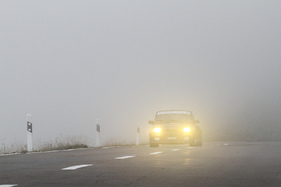
The constantly passing clouds of fog alone, which had already made racing difficult in 1923, made for poor visibility. After the heat of the previous days, the temperatures were bearable if you didn't want to watch in shorts and a T-shirt. There was no snow or rain as in the early stages of the mountain stage.
No timekeeping, leisurely speeds
The event was organized as a show race, with the more than 300 participating vehicles divided into individual categories, each differentiated according to racing/sports cars and touring cars and sorted somewhat according to age group.
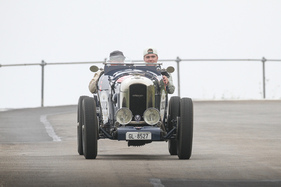
After 09:00, the first pre-war cars set off behind an electric pace car to tackle the approximately eight-kilometer route, which included exciting and challenging combinations of bends.
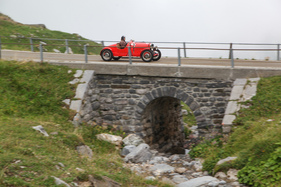
Depending on the nature of the driver, the ride was more or less brisk. Individual race categories were also slowed down by the Postbus, which was obviously unable to keep to the specified times.
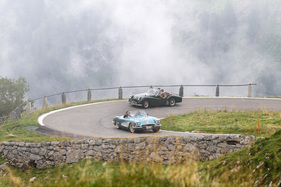
Nevertheless, there was no lack of challenges for the drivers; the Klausenstrasse is far from a smooth road surface in many places.
Not a race ... with advantages
Some drivers may have seen the fact that it was not possible to race at full speed and that only the shortened route was available as a disadvantage, but the fun option also had its advantages.
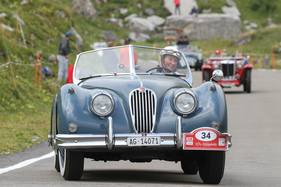
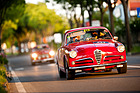
As a spectator, you saw a lot more relaxed faces behind the valances and hardly any of the riders were wearing a full-face helmet or any helmet at all. So you could watch the smiling faces and there was also plenty of time for waving.
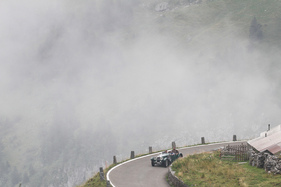
Passengers were also allowed on board, which was gladly taken advantage of. Only the many cell phones, which were obviously intended to preserve memories, detracted from the picture, while many passengers wore period-appropriate clothing.
Attractive starting field
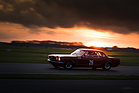
There were many rarities to discover among the 280 or so cars, around 50 motorcycles and almost ten tricycles. The early-starting categories in particular revealed a fine selection of vehicles of the kind that were also seen at the historic Klausen races between 1922 and 1934.
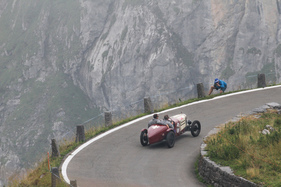
The French cycle cars of the Amilcar, BNC or Derby type were just as much in evidence as the British racing and sports cars of the 1920s and 1930s. Alfa Romeo was also represented with a P3 and a Maserati 8CM raced on the Klausen Pass almost 100 years ago.
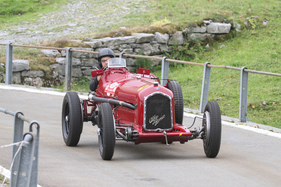
However, the variety of Bugatti vehicles was hard to beat, from the famous Type 35 to the Type 37 and the 57 Atalante, everything was there to make the hearts of fans of the Alsatian brand beat faster.
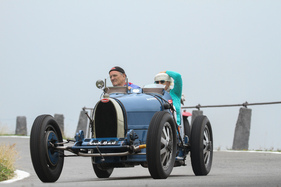
In contrast to previous editions of the Klausenrennen Memorial, this time the organizers did not exclude younger cars up to 1979. And so a large number of Jaguar E-Types, Mercedes-Benz SLs and Porsche 356s were also allowed to take to the track.
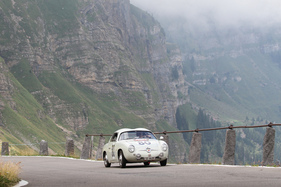
And there were also some attractive classics to be seen among the more modern cars, with the public showing plenty of enthusiasm for them too. Who can look away when a Ford GT40 or a Porsche 550 Spyder drives past, even if they are not even original vehicles?
Waiting times
The long waiting times on the hill were probably more of a problem for the public. Those who stayed down at the start and were able to visit the various exhibits organized there and the paddock probably felt less of this.
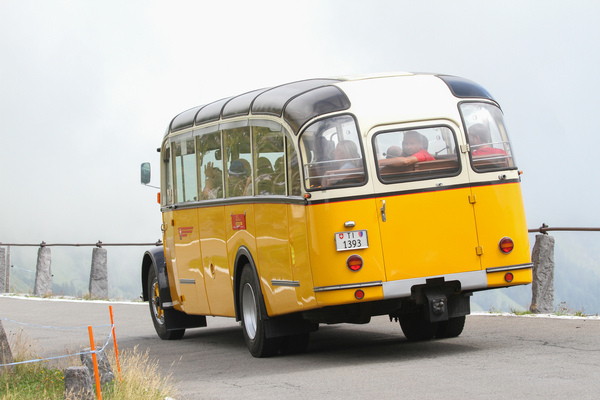
But at the top of the course, the time between two race categories could be very long. Even the return of the fields became an attraction, especially as you could see the vehicles almost better than on the uphill run.
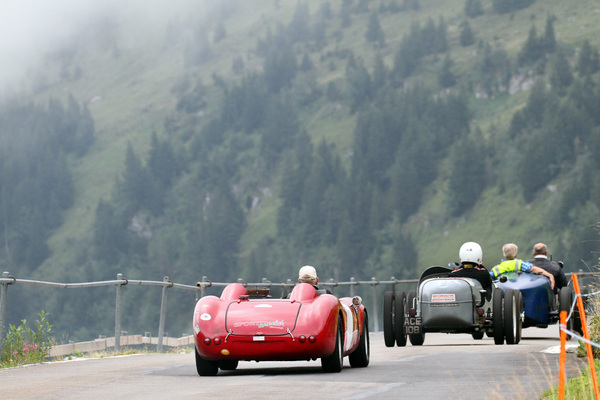
Many a spectator could hardly wait to hear the roaring engines from the valley again.
Fond memories
What remained after a day at the Memorial apart from sore muscles from the hike? Many fond memories, the impressive images of the mountain world with the fast sports and racing cars and the hope that one day a proper race on the Klausen Pass will be possible again, if necessary on the shortened route from Spirigen. Yes, as we all know, hope dies last.
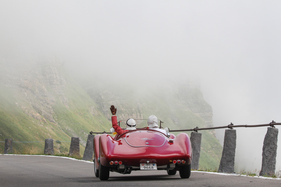
If you would like to see as many of the participating cars and motorcycles as possible in pictures, please refer to the four separate picture galleries with a total of over 350 photos, which are well worth a closer look:
- Picture gallery cars starting numbers 1 to 99 (mainly pre-war vehicles)
- Picture gallery automobile starting numbers 100 to 199 (pre-war and post-war vehicles)
- Picture gallery cars with starting numbers over 200 (more recent vehicles)
- Picture gallery motorcycles, sidecars and tricycles