Graham Supercharger - Charging inhibition


You have only
1 out of 49
images seen in high resolution


Summary
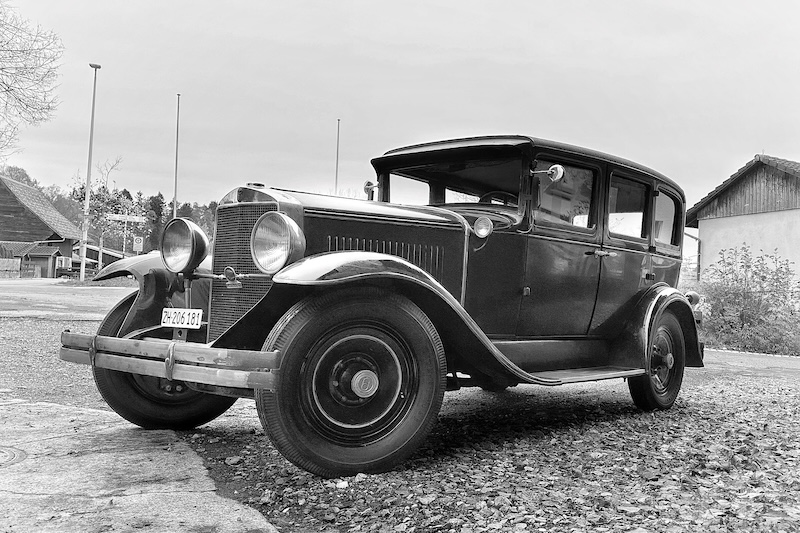
Saab? Porsche? BMW? The first mass-produced car with a turbocharged engine did not just emerge in Europe in the second half of the 20th century. As early as the 1930s, a small manufacturer from the USA brought the mechanical centrifugal supercharger to series production and into the popular price range. Nevertheless, it failed due to the superiority of the large corporations. This article tells the story of the Graham Supercharger and shows it in current and historical images.
This article contains the following chapters
- The most copied car in America
- Power thanks to the supercharger
- Only with a six-cylinder engine
- Age-related weakness?
- Ghosts and resurrection
Estimated reading time: 9min
Preview (beginning of the article)
Even at the beginning of the 1930s, there was hardly any room for maneuver against the "Big Three" from Detroit. Ford, General Motors and Chrysler together had a 90 percent share of the US automotive market, with the mass motorization pioneer from Dearborn occupying the top position by far. However, in order to occasionally emerge from their shadows, the numerous small and independent car manufacturers shone with a spirit of innovation and experimentation that the top dogs had long since abandoned. Because in order to be able to offer cars so cheaply, they also had to be produced cheaply. And that considerably limited technical sophistication.
Continue reading this article for free?
Images of this article