
Mercedes-Benz W25K - A shot, please






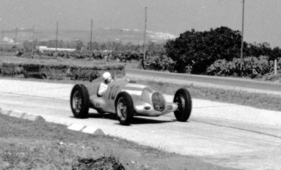
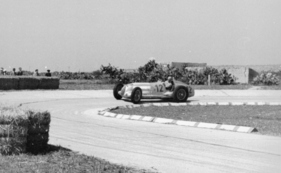
You have only
1 out of 36
images seen in high resolution

Summary
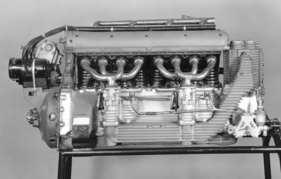
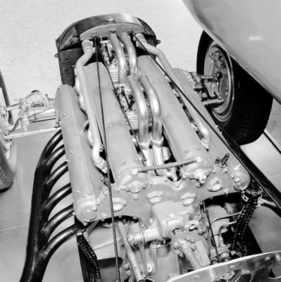
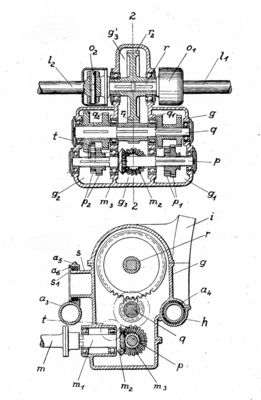
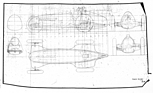
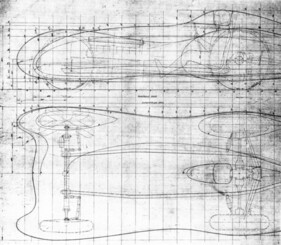
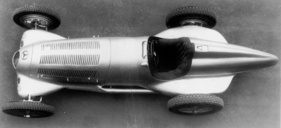
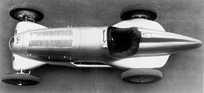
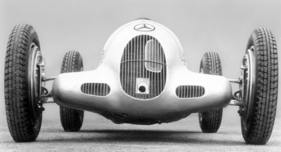
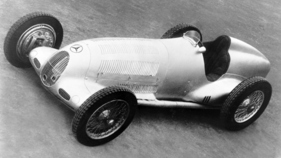
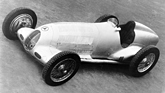
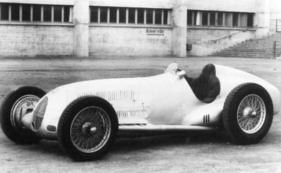
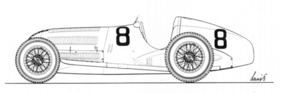
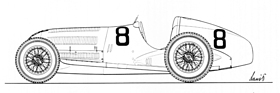
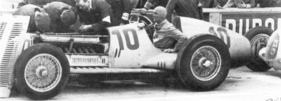
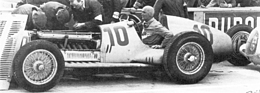
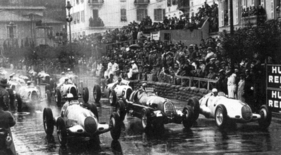
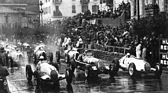
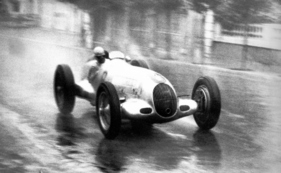
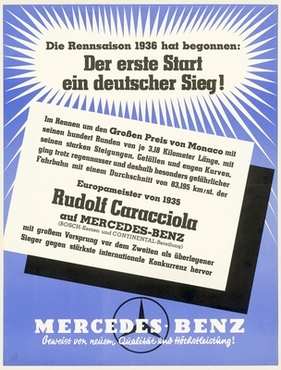
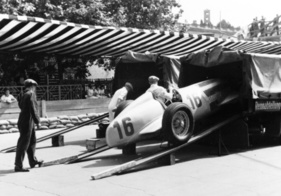
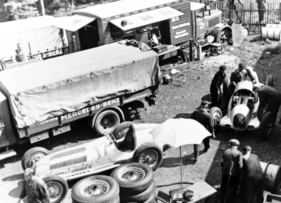
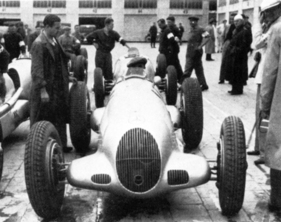
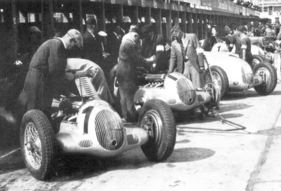
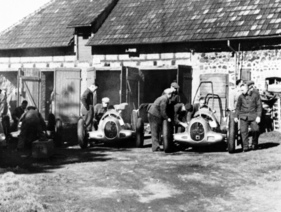
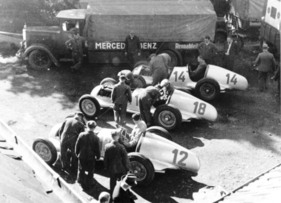
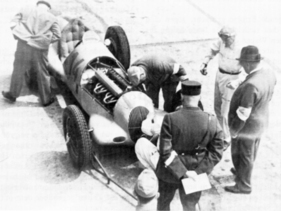
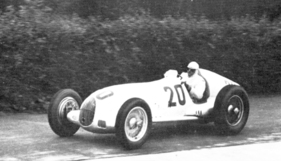
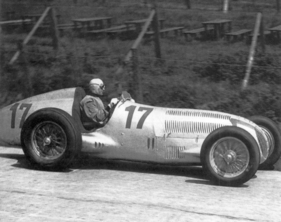
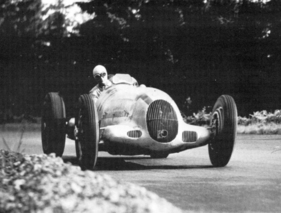
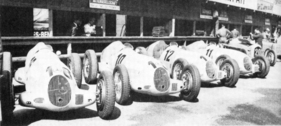
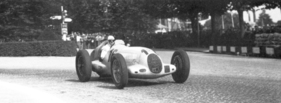
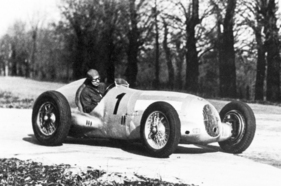
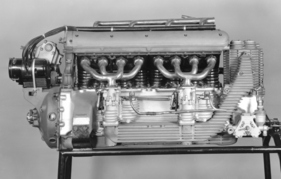
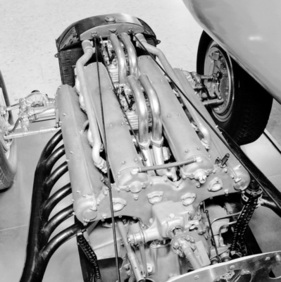
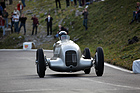
With the further development of the successful Mercedes-Benz W25, Stuttgart took a wrong turn. The more powerful new engine was above all heavier; the alternative was light but unreliable. The shorter wheelbase did not make the racer with the in-line eight-cylinder more manageable, but only more nervous. This article tells the story of the development of the beautiful 1936 Silver Arrow, which started out strong and then faded sharply, only to disappear again after just two victories and not even a full season.
This article contains the following chapters
- V12 heavyweight
- Further development of the eight-cylinder engine
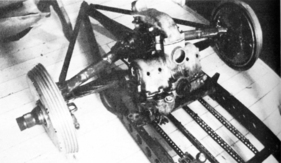
- The gearbox - a ladder
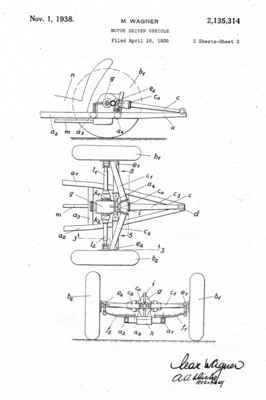
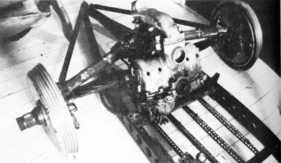
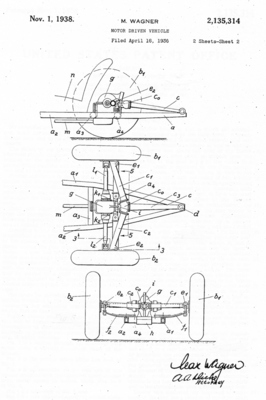
- The Y-axis
- Axle guide, springs and brakes
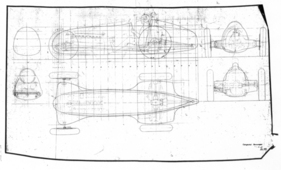
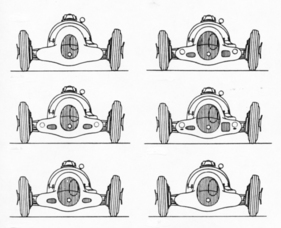
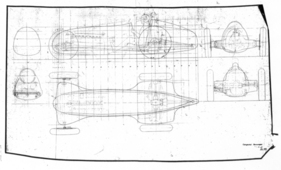
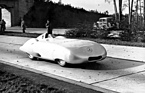
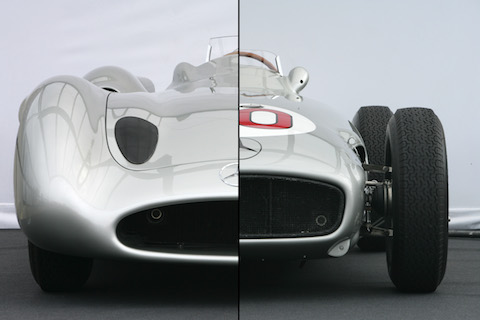
- Streamline with free-standing wheels
- Strong start, strong finish
- Problems with reliability
- Focus on the next season
Estimated reading time: 15min
Preview (beginning of the article)
The 1935 Grand Prix season was the best that Mercedes-Benz had experienced since the introduction of the new 750-kilogram formula. In its second season, the W25 fully proved its worth and was fielded in a team that finally acted as a team against the strong competition and had two absolute experts at the wheel in Rudolf Caracciola and Luigi Fagioli. Alfa Romeo and Maserati - who were taken by surprise in 1934 by the Germans, who were quicker to recognize the possibilities of the new regulations - brought new and faster cars to the starting grid in 1935, which were to become even stronger competitors in 1936. And the successful Bernd Rosemeyer demonstrated unusual skill at the wheel of his Auto Union. For the third year of the formula, major changes to the Mercedes-Benz equipment were obviously necessary.
Continue reading this article for free?
Images of this article


_RM.jpg)