Chevrolet Corvette Mako Shark II - Mix of shark and stingray leads to the Corvette C3





You have only
1 out of 12
images seen in high resolution


Summary
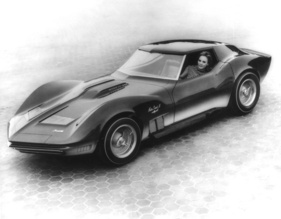
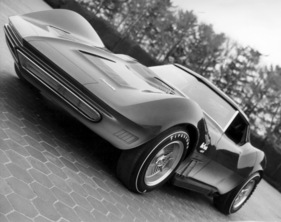
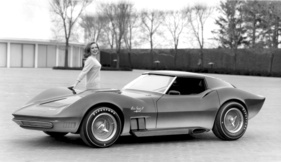
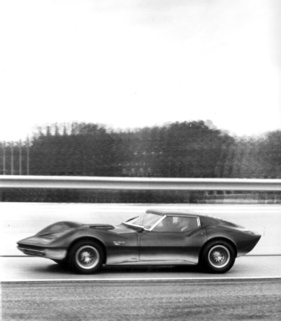
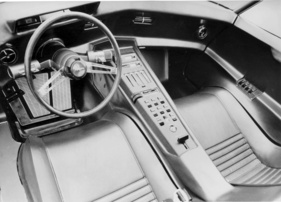
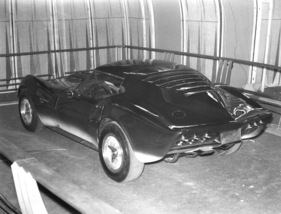
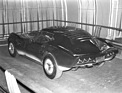
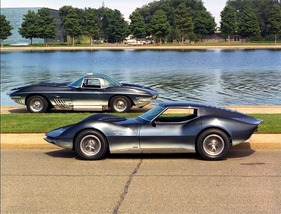
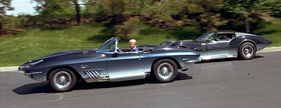
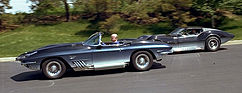
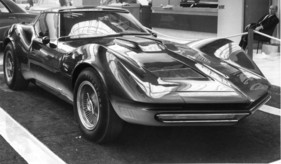
The second generation Corvette had just been launched on the market in 1963 when the designers were already starting to think about its successor. And "thinking" means shaping visions with modeling clay. At the New York Motor Show in April 1965, one could marvel at the first result of these finger exercises, a pure styling study without technology. However, the "Coke Bottle" shape could already be recognized, which was then incorporated into the Corvette C3 a few years later. This report tells of the development of the Mako Shark II and its effects, accompanied by historical images.
This article contains the following chapters
- Pure styling model without technology
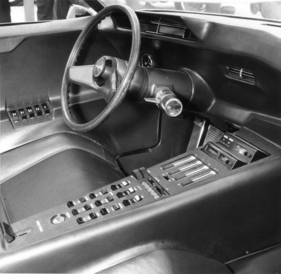
- Futuristic interior causes critical comments
- The design concept lasted well into the 80s
- Further information
Estimated reading time: 3min
Preview (beginning of the article)
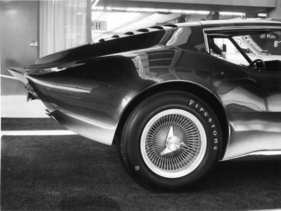
The second generation Corvette had just been launched on the market in 1963 when the designers were already starting to think about its successor. And "thinking" means shaping visions with modeling clay. At the New York Motor Show in April 1965, one could marvel at the first result of these finger exercises. The boldly shaped fenders were the hallmark of the Corvette C2. It was therefore essential that this styling element be further developed in order to maintain the product identity. The idea of marrying the filigree stingray aka C2 with the fuller shark led to a captivating and almost timeless result. The mudguards no longer had superimposed bulges, but were strongly shaped overall. The new shape was full above the wheels and slim in the middle: the designer refers to this as the "Coke bottle" effect. The Jaguar E-Type had already declared the sculpted feminine curve to be the design ideal at the beginning of that decade. This was also understood in Detroit.
Continue reading this article for free?
Images of this article



_RM.jpg)